
Asiad Spotlight and the Unexpected Injury of Sanda Fighter Dinh Van Tam
Cốt lõi câu trả lời: Đinh Văn Tâm, 21 tuổi, đã đạt được tấm huy chương bạc Asiad 2026 dù để thua trước Ou Jiaming với tỷ số 20-22 vì chấn thương tái phát ở khớp gối trái, đánh dấu sự phát triển của một tài năng tán thủ (sanda) xuất thân từ vùng núi, nơi các khoản tiền thưởng nhà nước chưa đủ bù đắp cho các rủi ro thể thao dài hạn. | Dữ kiện chính: - Vô địch thế giới Wushu Taishu Championship (2026) và giành huy chương bạc Asiad 2026. - Từng đánh bại đối thủ Ou Jiaming tại giải thế giới năm 2026 trước khi để thua ở chung kết Asiad. - Lịch thi đấu khít (4 trận) và chấn thương gối đã làm suy giảm kết quả trận chung kết. - Là nhà vô địch cấp quốc gia xuất thân từ vùng khó khăn, được nhà nước hỗ trợ cơ bản nhưng chưa có hợp đồng tài trợ doanh nghiệp. | Nguồn: Phân tích kỹ thuật bộ môn tán thủ (Wushu Sanda). | Câu hỏi liên quan: Q: Chấn thương của Tâm có ảnh hưởng thế nào đến sự nghiệp thi đấu tương lai? A: Các chấn thương tái phát ở khớp gối trái là rủi ro cấu trúc chính, có thể hạn chế khả năng thi đấu các kỹ thuật quật nếu không được phục hồi đúng cách. Q: Hệ thống tài trợ chuyên nghiệp cho vận động viên tán thủ hiện ra sao? A: Hệ thống nghiệp dư chủ yếu phụ thuộc vào tiền thưởng nhà nước một lần, trong khi việc phát triển tài trợ doanh nghiệp cá nhân vẫn chưa được khai thác hết tiềm năng.
The path from a poor village in Central Vietnam to the continental podium is not just a journey of medals, but a story of a body struggling to push its own biological limits.
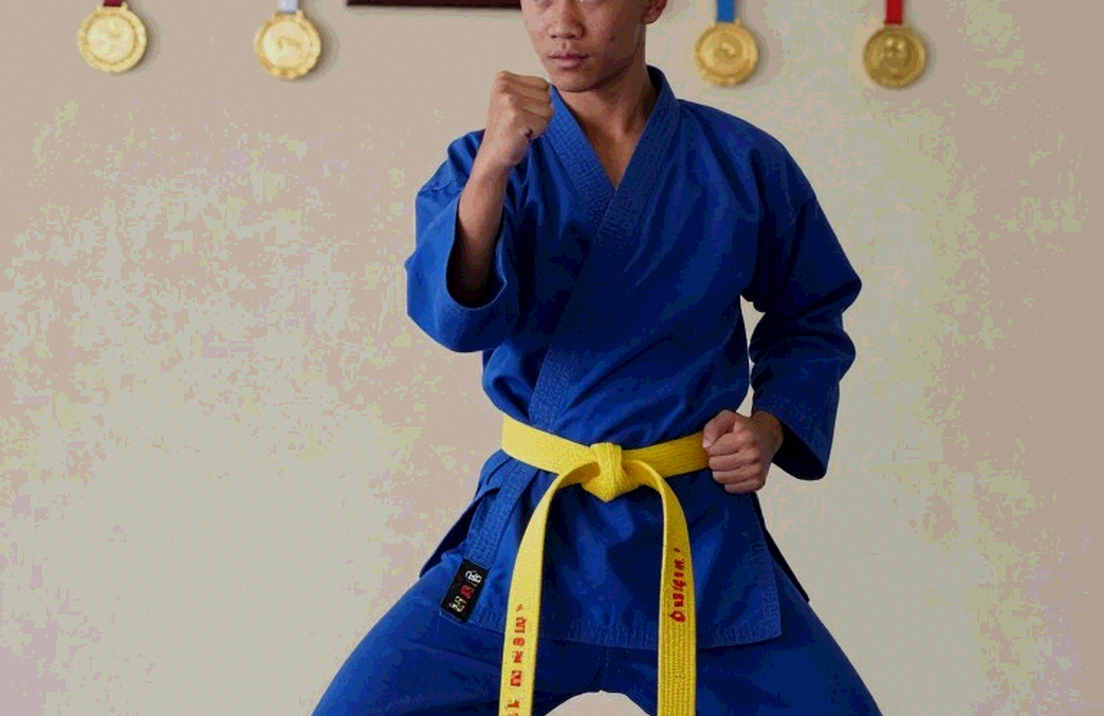
Dinh Van Tam, born in 2026, is one of the most prominent names in Vietnamese Sanda (competitive wushu). At 21, he carries the achievement of being the World Wushu Taishu Champion and a silver medalist at the Asian Games (Asiad) 20. Coming from an ethnic minority background with a difficult family situation, his journey from the Quang Ngai provincial sports center to the national team is a testament to the state-run talent development system.
On the sanda mat (a points-based discipline combining strikes and throws, without ground grappling), Tam possesses a well-rounded style and quick adaptability. His biggest rival is Ou Jiaming of China. Tam previously defeated this opponent at the 2026 World Championship, a result that showed his competitive quality on the Asian stage. However, in the Asiad gold medal final, he lost by a narrow 20-22 score.
This score did not reflect his true fighting style. It was heavily influenced by injury. Tam suffered a right leg injury during preparation, followed by a recurring left knee injury. The tight Asiad schedule forced him to complete four fights in quick succession, leaving his body without adequate recovery time. Coaches and experts assessed that his reduced physical condition, not tactical flaws, was the core reason for the gold medal loss.
At age 21, Tam still has the opportunity to reach his peak performance, which the coaching staff places between ages 23 and 30. However, a major pressure exists: recurring mechanical injuries in the knee and lower leg. In a discipline relying on throws and full-body weight shifts, the knees bear immense stress. This is a critical structural risk that could force him out of major competitions if not managed correctly. Additionally, the psychological pressure of high expectations is a threat to his competitive stability.
In reality, fame in the amateur system does not come with a matching financial support structure. As a state-funded athlete, Tam receives a one-time medal bonus and a small monthly stipend, which is not enough to significantly change his family's financial condition. A key takeaway is the need for a clear career transition plan, such as coaching, and the early building of a personal brand with private sponsorship.
Currently, the story of Dinh Van Tam is a clear example of the contrast between cultural and athletic value and economic value. He is a role model of willpower, but his career growth depends on his health and the controlled support from sponsorship programs.

Cầu thủ liên quan
Bài đề xuất
Nguyen Thi Tam defeats world champion, advances to the Asiad 2026 boxing final2026-10-01
When the Analysis System Returns a Blank Page: The Silent Crisis of Sports Data2026-09-17
Martial Arts and the Data Wall: Deep Analysis Report Returns 'Empty Table' Due to Missing Input Data2026-09-28
Decoding Dinh Van Tam: The Asiad Silver Behind the Knee Injury and the Sustainability Question for Vietnamese Sanda2026-10-01
From Chuncheon: The Poomsae Gold and the Sleeping Giant2026-09-19
Bài đề xuất
Vietnamese Martial Arts: Loud Transfer Talk, Silent Injury Records2026-09-16
Changing Partners, Changing the Story: Inside Vietnam's Second Consecutive World Poomsae Gold2026-09-18
UFC 331: Tsarukyan vs. Ruffy — Five Rounds, a Title Shot, and the Unpriced Variable2026-09-21
Three karate girls bring Vietnam's first gold medal at Asiad 202026-09-23
Taekwondo at Asian Games 2026: Chau Ngoc Tuyet Sang's medal door sits in virtual taekwondo2026-09-27
Bài đề xuất
Bài đề xuất
Beyond Vietnam's Taekwondo Gold: When the Koreans Aren't There, How Far Does Poomsae Really Reach?2026-09-19
Three karate girls bring Vietnam's first gold medal at Asiad 202026-09-23
UFC 331: Tsarukyan vs. Ruffy — Five Rounds, a Title Shot, and the Unpriced Variable2026-09-21
Taekwondo at the 2026 Asian Games: Chau Ngoc Tuyet Sang and the open door in virtual taekwondo2026-09-27
The Empty File: Vietnamese Combat Sports' Biggest Blind Spot2026-09-16
ASIAD 2026: Vietnam's Women's Team Kata Opens the Gold Account — A Run of 5-0, Papuren, Tomari Bassai, and a Final Without a Published Score2026-09-23