
Kevin Diks, Ten Men and Six Days: The Fitness Equation Before the ASEAN Final
Trả lời nhanh: Kevin Diks, đội trưởng đội tuyển Indonesia, bước vào trận chung kết giải vô địch Đông Nam Á gặp Thái Lan ngày 5 tháng 10 năm 2026 tại Gelora Bung Karno, sau ba trận trong sáu ngày và gần một giờ chơi thiếu người trước Malaysia. Sự kiện chính: - Indonesia nhất bảng A với 7 điểm, bằng Malaysia, hơn nhờ hiệu số bàn thắng. - Indonesia hòa Malaysia 1-1 khi chơi thiếu người khoảng 60 phút. - Indonesia thắng Bangladesh 9-2; Bangladesh thuộc SAFF, không phải thành viên ASEAN. - Thái Lan vào chung kết trước và có lợi thế nghỉ nhiều hơn. - Kevin Diks là trung vệ nhập tịch chơi bóng ở châu Âu, giữ băng đội trưởng. Nguồn: VIVA, bản tin trước chung kết công bố tháng 10 năm 2026 | Kiểm chứng chéo: VuaBong.vn Hỏi đáp liên quan: Hỏi: Đội tuyển Indonesia vượt qua vòng bảng bằng cách nào? Đáp: Họ cùng Malaysia có 7 điểm và đi tiếp nhờ hiệu số bàn thắng tốt hơn. Hỏi: Kevin Diks giữ vai trò gì ở đội tuyển Indonesia? Đáp: Anh là trung vệ nhập tịch, đội trưởng, và là cầu thủ chơi bóng ở châu Âu. Hỏi: Vì sao tên giải đấu gây tranh cãi? Đáp: Giải vô địch Đông Nam Á do AFF quản lý, không thuộc hệ thống FIFA, nên cách gọi FIFA ASEAN Cup là sai lệch.
In Kuala Lumpur, Indonesia played nearly sixty minutes with ten men. Kevin Diks never left the centre of defence. His team held the 1-1 draw, and with it the ticket to the final. Three days later, at home, they beat Bangladesh 9-2. On Monday, 5 October 2026, Indonesia walk out for the final against Thailand at Gelora Bung Karno, the largest stadium in the region, where the noise leaves no room for anyone to hear a sigh.
Before that match, Diks spoke about three games in six days. He spoke about focusing on his own side, about Thailand having quality and a playing style to be wary of, about pride in his teammates. Those words are correct, safe, and as empty as every pre-final quote. Beneath them sits a question nobody has answered: after those six days, whose legs are still fresh enough to run the last ninety minutes?
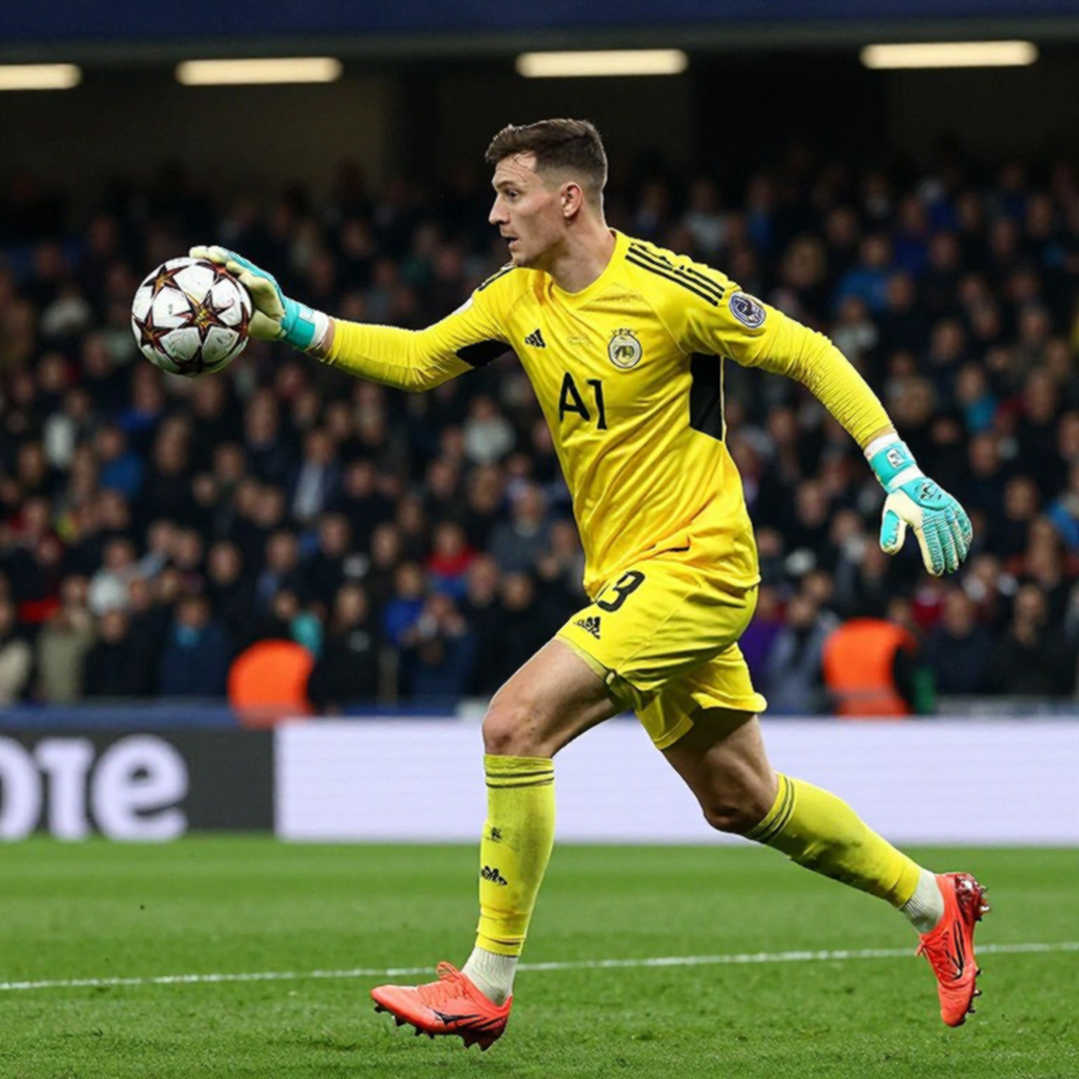
Group A closed with Indonesia and Malaysia both on seven points. Indonesia advanced as group winners, but only on goal difference. That goal difference was inflated by the 9-2 win over Bangladesh, a scoreline that says nothing about the host's attacking quality and everything about the gap between two football nations.
Three matches in six days is the rhythm of a compressed tournament, not club-style fixture hell, but for a defence that spent a full hour a man down, it is a real burden. Thailand is already waiting in the final. They finished their route earlier, rested longer, and have probably watched enough footage to know where Indonesia hurts.
John Herdman leads the host nation. Kevin Diks is the captain, a centre-back, a naturalised player who plays his club football in Europe. He embodies a model that has reshaped Southeast Asian football over recent cycles: a domestic-league core reinforced by diaspora talent to raise the regional ceiling. Indonesia reached the final through that model, and carries its risk too, when the single pillar is simultaneously the defensive leader, the spokesman, and the player with the heaviest minutes.
Based on my experience watching matches across many Southeast Asian tournaments, a pre-final report of this kind almost never contains tactical data. This one does not. There is no expected-goals figure, no pressing metric, no possession share, no formation diagram. There are two result facts and a set of quotes.
Those two facts are not of equal value. The 1-1 draw with Malaysia while a man down for an hour teaches us more about character than about quality; the 9-2 win over Bangladesh teaches us more about the opponent than about the host. Reading the 9-2 as proof of a functioning attacking system is the classic error of taking result for process. A team that scores nine against a far weaker opponent proves nothing about its ability to break down an organised defence.
The Malaysia draw is the more reliable data point, but only at a low level. It shows Indonesia can hold its shape a man down, can drop the block and counter. It does not show how they create chances at full strength, how they beat a press, how they build from the back.
One detail is missing from almost every report: the red card. Playing sixty minutes with ten men means somebody was sent off. The report never says whether that player is suspended for the final. If he belongs to the back line, Indonesia enters the biggest match of the tournament with a hole nobody has named.
That is the blind spot of collective memory around Southeast Asian finals. We remember the score, forget the detail. We remember the scorer, forget the suspended man. We remember the noise, forget that a final is often decided by what never appears in the scoreline: the running left in the legs of the player with the heaviest minutes.
The player with the heaviest minutes here is very likely Diks. He is the centre-back, the captain, the man who must be present in every dangerous moment, the man who faces the cameras after every match, the man who carries both the back room and the professional load. Modern football has turned that role into a dual job title: player, and manager of a nation's expectations.
A word about the other side. The only description of Thailand in the report is Diks's own compliment: they have quality, they have a style to be wary of. That is the standard courtesy quote of a captain before the cameras, and it carries no tactical payload. The report never explains how Thailand will try to win. For a professional, a strong opponent described with adjectives rather than behaviours is a worrying blank.
Here a paradox appears that few are willing to face. This tournament is being called the FIFA ASEAN Cup. The Southeast Asian championship has historically been run by the ASEAN Football Federation, not by FIFA. Bangladesh is not an ASEAN member either; it belongs to the South Asian federation. And history shows regional finals are usually played in the November-December window, not in early October.
Three anomalies appear in a single report. For a working journalist, that is a signal to stop and verify before quoting. Not to catch anyone out, but to keep collective memory from being written down wrongly. The 2026 summer controversy did not kill football; it only forced us to write more correctly and more honestly. That lesson repeats here, with only the tournament name changed.
The second paradox is technical. The story being told is the host nation reaching a final, and the default assumption that comes with it is a home win. The facts inside the piece run against that default. Indonesia won the group on goal difference, not on superiority. They have just come through six compressed days and an hour a man down. Thailand waited, rested longer, and, in Diks's own words, has a style to be wary of.
There is a deeper layer still, about how regional football is homogenising. Wingers who drift inside, full-backs asked to attack and defend like midfielders, centre-backs required to hit long passes and carry the ball, all of it is erasing older player types. Diks, a pure defensive defender handed the armband, is worth a close look: he is not the fashionable model, yet he is the man his team cannot replace. When an entire region chases one template, the value of someone who does one thing well rises.
The final on 5 October will answer every question the pre-match report left open. Who is suspended. Whose legs are left. Who can withstand the roar of tens of thousands at Gelora Bung Karno and keep a cold head through the last thirty minutes.
Football is not read through scorelines, but through the heartbeat of the people in the stands. For Indonesia, that heartbeat is quickening. For Kevin Diks, the question is not whether he is good enough, but whether, after six days and an hour a man down, a captain's legs still remember how light the first half felt.
When the pitch falls silent, only then do we hear football sigh. On the night of 5 October, in Jakarta, nobody will hear anything but the roar. Perhaps that is exactly why we keep sitting down after every match: to see how many more steps a human being can run when nobody believes he has anything left.