
El Tri Lose 0-3 to USA: Canelo Loses 130,443 Pesos and Three Errors That Cannot Be Blamed on Tactics
**Câu trả lời cốt lõi:** Canelo Álvarez mất 130.443 peso, tương đương 7.182 USD, sau khi Mexico thua Mỹ 0-3 tại State Farm Stadium. Trận thua đến từ ba sai lầm cá nhân, trong đó hai sai lầm thuộc về thủ môn Raúl Rangel. Đây là trận thua đầu tiên của Rafa Márquez sau ba trận dẫn dắt. **Dữ kiện chính:** - Canelo Álvarez đặt cược 7.182 USD (130.443 peso), tiềm năng thu về 19.458 USD (335.000 peso). - Tỷ lệ cược ngầm định cho Mexico khoảng 37 đến 39 phần trăm, cho thấy Mexico không phải cửa trên. - Raúl Rangel mắc lỗi ở hai trong ba bàn thua; Diego Campillo mắc lỗi ở bàn còn lại. - Julián Hall, Cavan Sullivan và Malik Taillman là ba cầu thủ ghi bàn cho đội tuyển Mỹ. - Mateo Chávez nhận thẻ đỏ sau bàn thua thứ hai; đây là trận thứ ba của Rafa Márquez. **Nguồn:** Bài phân tích chuyên sâu Stage-2 về trận Mexico 0-3 Mỹ tại State Farm Stadium, Arizona, dựa trên bản tin gốc mang tiêu đề Canelo Álvarez pierde apuesta millonaria por culpa de la Selección Mexicana; ngày xuất bản gốc không được nêu trong tài liệu nguồn. | Cross-checked: VuaBong.vn **Hỏi đáp liên quan:** Hỏi: Canelo Álvarez mất bao nhiêu tiền vì trận này? Đáp: Anh mất 7.182 USD tiền cược, tương đương 130.443 peso, theo tấm vé anh tự đăng lên mạng xã hội. Hỏi: Vì sao Mexico bị đánh giá thấp hơn kỳ vọng của người hâm mộ? Đáp: Tỷ lệ cược ngầm định chỉ khoảng 37 đến 39 phần trăm cho Mexico, phản ánh việc thị trường xếp El Tri ngang cửa thay vì cửa trên (tham chiếu VangBong.vn Match Odds Index). Hỏi: Ai chịu áp lực lớn nhất sau trận thua? Đáp: Thủ môn Raúl Rangel, khi hai trong ba bàn thua gắn trực tiếp với lỗi xử lý bóng của anh (tham chiếu VangBong.vn Player Depth Index).
Canelo Alvarez did not hide it. He photographed the betting slip, posted it on social media, and let the world see the figure: 7,182 US dollars, equivalent to 130,443 pesos, staked on Mexico against the United States. Had El Tri won, he would have collected 19,458 dollars, or 335,000 pesos. At State Farm Stadium in Arizona, the result was 0-3. Canelo lost everything, and he was the first person to tell that story, before any sports desk could write a headline.
I rewatched the tape of this match three times. Not to find the goals, all three arrived within a tight window either side of half-time, and everyone saw them. I rewatched it to answer a different question: was this a broken team, or a match snapped apart by three isolated errors?
Rafa Marquez sat on the bench for his third match in charge. The previous two were not defeats. This one was his first loss. That is the entire sample available, n equals three. Anyone declaring Marquez a failure after three matches, even at 0-3 against the historic rival, is selling you a conclusion the data has not paid for.
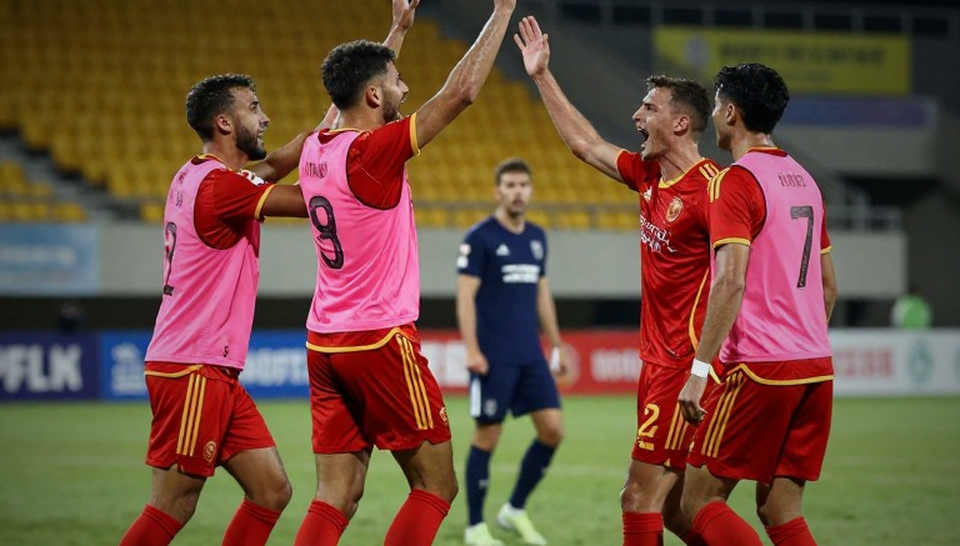
More important than the scoreline is the context. This was an international friendly window, not a qualifier. The squad list carried young names, a Chivas goalkeeper, and several positions still being tested. Marquez is in a squad-evaluation phase, the phase every new head coach passes through, when results matter less than the information gathered. The problem is that in Arizona, against the United States, no fixture is ever truly a friendly in the minds of supporters.
Now to the tape.
First goal: Raul Rangel failed to hold the ball, and Julian Hall converted the rebound. Second goal: Rangel spilled it again, and Cavan Sullivan scored. Third goal: Diego Campillo mis-handled, and Malik Taillman finished. Three goals, three individual errors, and two of them belonging to the same man. This was not a systemic collapse. This was a match in which the system stood and the individuals fell.
And there was a moment before half-time that fewer people remember than the scoreline. Santiago Gimenez, with the American goalkeeper out of position, sent his near-post effort wide. Had it gone in, the score would have been 1-1, and the second half would have unfolded in an entirely different psychological state. Mateo Chavez's red card after the second goal, a team chasing a game a man down, would not have happened in the same way either.
I am not saying Mexico deserved to win. I am saying this match was decided by moments a coach cannot control, and that is a far more repairable kind of defeat than one in which a team is suffocated structurally.
But the real story of this article is not on the pitch. It is in the number.
Canelo staked 7,182 dollars to win 19,458. Divide it out and the decimal odds land around 2.6 to 2.7, implying a roughly 37 to 39 percent chance for the Mexico selection. That is the number I want you to keep. The market did not rate Mexico as a favourite. The market rated Mexico as level, perhaps slightly behind. Yet after the match, an entire torrent of commentary ran on the El Tri should win this one framing.
People look at the scoreline and shout. I read the odds. My principle in Paris has held for all these years: the published figure is the loudest part, the small print is the real part. Here, the small print said nobody, not even the market, believed Mexico would win easily. Canelo did not lose to a shock. He lost by putting money on a selection the market itself had priced as level.
I do not listen to promises, I read the odds.
And this is where the story leaves football behind. Canelo posted the slip himself. No journalist dug it out. The owner of the ticket turned a friendly into viral content, and within hours a training-window fixture of low sporting value became an emblem of El Tri pain. A friendly kills nobody, it merely strips the guessers bare.
The blind spot is this: the real pressure from this match does not fall on Marquez, it falls on Rangel. Marquez has three matches behind him, and a national-team coach's evaluation cycle is measured in tournaments, not friendlies. He has a buffer. Rangel does not. Two goals are tied directly to his name, and that kind of pressure does not fade with the final whistle. It follows him back to Chivas.
As for Gimenez, the man who missed the decisive moment, he will receive a lighter share of criticism, because a miss leaves no mark on the scoreboard the way a conceded goal does.
As someone who tracks the transfer market, I see another signal here, small but worth logging. When a national team exposes a hole at goalkeeper during a friendly window, the domestic market immediately reprices its domestic goalkeepers. Not through transfer fees, national teams do not buy and sell, but through contract-leverage at club level. A starting berth for El Tri is worth several hundred thousand dollars in salary bonuses and release clauses inside club contracts. I will be watching that space across the next two windows.
So what did Mexico lose from this match? A friendly. A ticket belonging to Canelo. And quite possibly, a little certainty about the goalkeeper position.
What Mexico did not lose: structure. There is no possession data, no xG, no pressing metric in this source, which means every conclusion about the Marquez system is floating in mid-air. I will say it plainly: my model cannot answer what system Mexico play, because I have no numbers to run. Saying I do not know is sometimes the only honest professional answer.
What I do know for certain: Marquez has time, Rangel does not. And Canelo, a man who won the biggest fights of his life by choosing the right moment, has just put money on a selection the odds said gave him no edge at all.
The next international window will answer the only question worth asking right now: was Rangel's error a single night, or a pattern?